
Flooring Installation
Floors That Handle Daily Traffic Without Showing Wear
Flooring Installation in Duluth for homes needing durable surfaces in high-traffic areas and moisture-prone rooms
Worn flooring shows traffic patterns as faded carpet paths, scratched hardwood near doorways, or cracked tile grout in bathrooms where moisture has worked underneath. The choice between solid hardwood, engineered wood, luxury vinyl plank, tile, or carpet depends on room function, exposure to water, and whether pets or kids create heavier wear patterns. SN Builders handles flooring installation with attention to subfloor preparation—leveling uneven surfaces, installing moisture barriers where bathrooms or basements require them, and selecting underlayment that prevents squeaking or telegraphing seams.
Each material performs differently under real-world conditions: solid hardwood expands and contracts with humidity changes but can be refinished multiple times, while luxury vinyl plank resists water penetration entirely and works over concrete slabs without acclimation delays. Tile provides permanent durability in wet areas but feels cold underfoot unless radiant heating gets installed beneath, and plush carpeting offers comfort but requires stain-resistant treatments in family rooms where spills happen frequently.
Schedule a material consultation to compare samples against your specific room conditions and usage patterns.
What Changes After Flooring Installation Completes
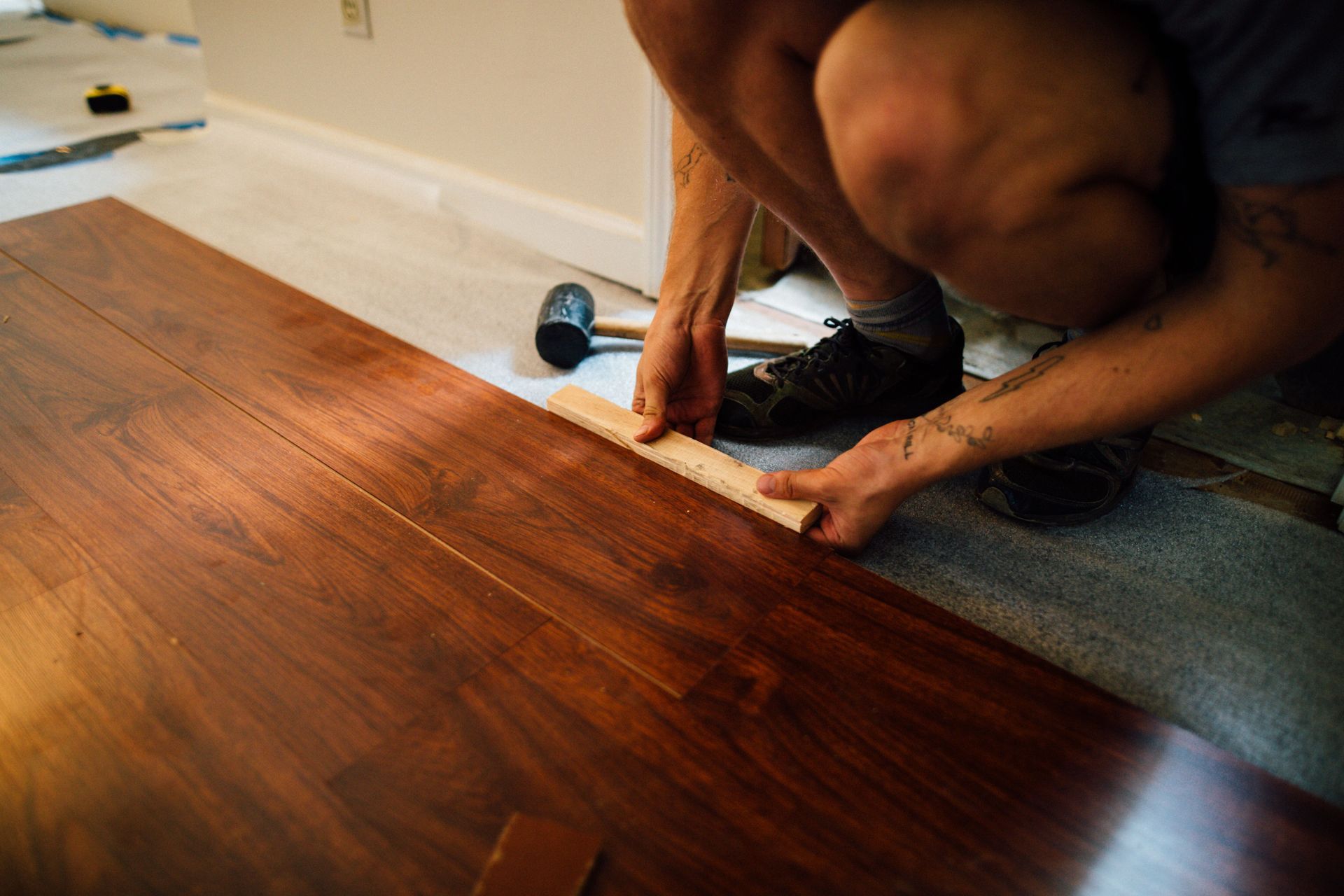
Installation begins with removing existing flooring down to the subfloor, repairing any water damage or structural weakness, then applying leveling compound where height differences would create lippage in tile or gaps in plank flooring. Transitions between rooms get fitted with matching thresholds, and baseboard removal allows new flooring to slide underneath for clean edges rather than leaving visible gaps. Pattern-matched tile layouts ensure grout lines stay consistent, and hardwood plank arrangements avoid short end pieces that look like mistakes.
Once complete, floors feel solid underfoot without hollow sounds or flexing, and seams between planks or tiles remain tight without separation as the house settles. Luxury vinyl plank resists scratching from pet claws that would gouge traditional hardwood, and stain-resistant carpet sheds spills that previously soaked in permanently. Tile grout in bathrooms stays sealed against moisture rather than discoloring or crumbling within months.
Material warranties vary significantly—engineered hardwood typically includes longer structural guarantees than solid wood, and commercial-grade vinyl offers better wear-layer protection than residential versions. Cleaning protocols differ too: hardwood requires pH-neutral cleaners to avoid dulling the finish, tile needs periodic grout sealing, and carpet benefits from professional extraction every twelve to eighteen months to remove embedded dirt vacuuming misses.
Answers to Frequent Service Questions
Homeowners usually ask about material durability, subfloor requirements, and how different flooring types handle moisture or temperature changes specific to Minnesota climates.
- What subfloor preparation does flooring installation require? Surfaces must be level within one-eighth inch over ten feet to prevent tile lippage or plank gapping, moisture barriers go down over concrete, and damaged sections get replaced before new flooring installs.
- How do engineered and solid hardwood compare for durability? Solid hardwood can be sanded and refinished four to six times over decades, while engineered wood's thinner veneer allows one or two refinishes but resists moisture-related warping better in basements.
- Why does luxury vinyl plank work well in Duluth basements? It installs directly over concrete without acclimation periods, handles temperature fluctuations without expanding, and resists water damage if minor flooding occurs during spring thaws.
- What makes tile suitable for bathrooms but not bedrooms? Tile's impermeability prevents water damage around tubs and showers, but its hardness and cold surface feel uncomfortable in spaces where people walk barefoot frequently.
- How long does professionally installed flooring typically last? Solid hardwood lasts fifty-plus years with refinishing, luxury vinyl plank holds up fifteen to twenty-five years depending on wear layer thickness, and quality carpet needs replacement every ten to fifteen years in high-traffic areas.
SN Builders provides material samples you can take home to test against your lighting and existing finishes before committing to full room installations. Request a flooring estimate that breaks down material costs, subfloor preparation needs, and installation labor separately for budget clarity.